Vous avez une peau mixte à grasse avec quelques imperfections
A propos de votre peau
Brillances
Le sébum est la protection naturelle de la peau. Il permet de la garder souple et de limiter l’évaporation de l’eau. Quand la peau en manque, elle devient sèche et inconfortable mais quand au contraire elle en produit trop, on parle d’hyperséborrhée. Cette production supérieure à la « normale » crée un terrain favorable au développement des imperfections, c’est pourquoi on associe souvent ces deux problématiques.
Pour en prendre soin, l’idéal est d’effectuer un double nettoyage le soir. Le matin, ne
nettoyez pas votre peau ! Une brume ou une eau thermale suffisent à la réveiller et retirer les impuretés de la nuit sans agresser le film hydrolipidique (ce qui encouragerait la production de sébum). Vous pouvez ensuite appliquer vos soins comme à votre habitude.
Imperfections
Comédons, papules (boutons blancs), microkystes... ces imperfections sont
principalement liées à un excès de sébum qui favorise la prolifération de bactéries.
L’acné, en revanche, est souvent liée à un dérèglement hormonal ; auquel cas elle sera localisée sur la mâchoire et le menton. Elle peut également traduire une intolérance alimentaire ou des problèmes de santé.
En médecine chinoise, la localisation de ces imperfections est directement liée à un organe et peut signifier que celui-ci a choisi la peau comme dernier recours pour exprimer son déséquilibre : c’est ce qu’on appelle le face mapping.

Your morning ritual


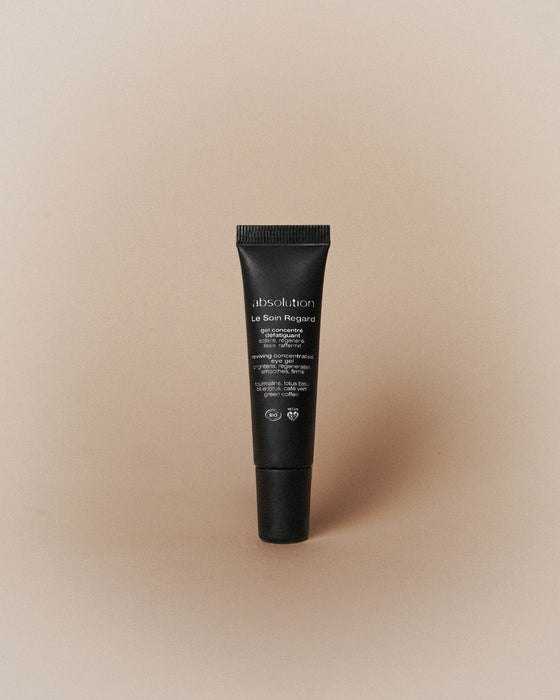
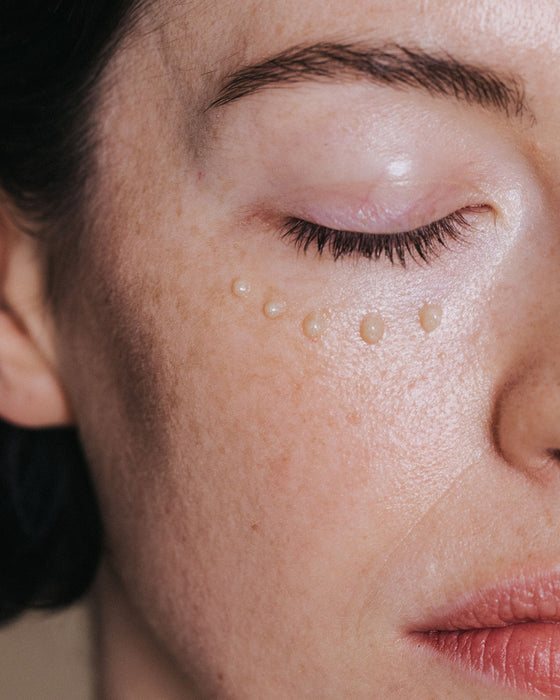
Anti-puffiness, anti-dark circle eye gel


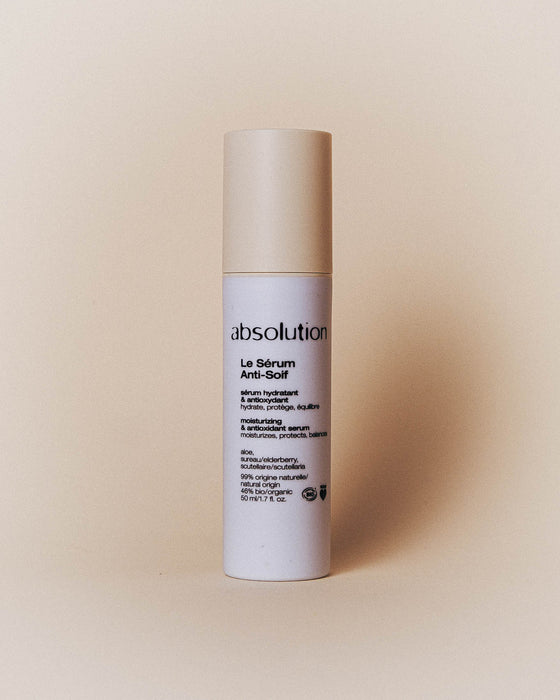
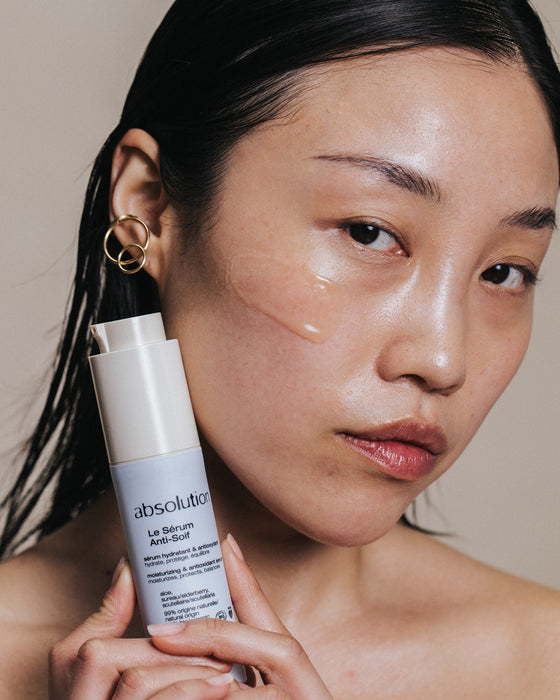
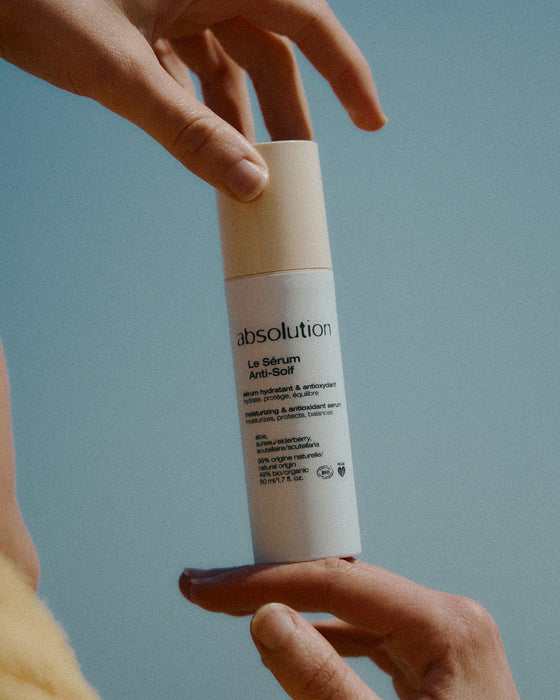
Intensive hydrating face serum


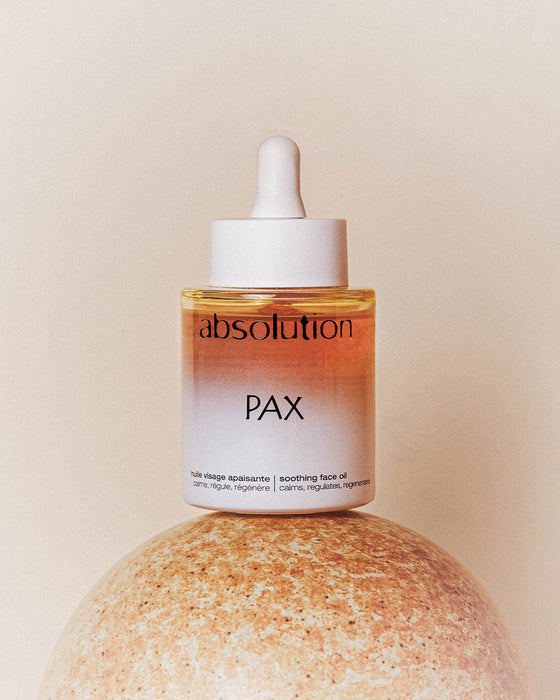
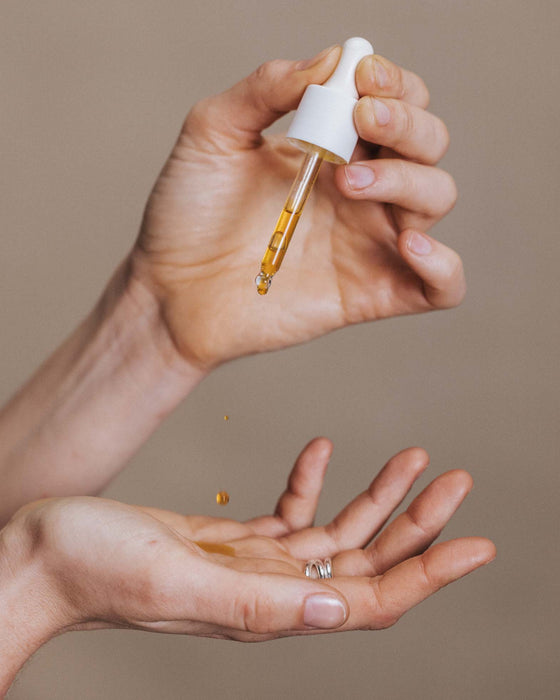
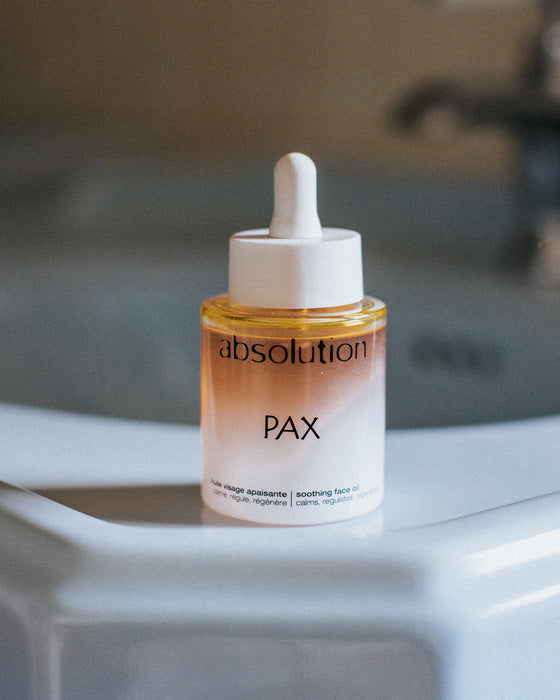
Soothing and balancing face oil
Your evening ritual


Anti-puffiness, anti-dark circle eye gel


Intensive hydrating face serum


Soothing and balancing face oil
Ingredients you can trust
This plant resin, collected by bees, is known to be a potent purifying ingredient. It also stimulates skin regeneration.
One of the most widely used medicinal plants, Aloe Vera is used to treat burns, including sunburn, to heal wounds and to combat cellular aging. Its composition is very interesting: like a cactus, it contains over 99% water. The remaining 1% is a very potent synergy of 12 vitamins (A, B1, B2, B3, B12, C, E...) but also numerous minerals, trace elements and amino acids.
Commonly used in Asian medicine, it contains rare fatty acids that are known to soothe irritated and damaged skin. It also helps to even out skin tone, which makes it very useful when spots have left their mark…
Our tips for better sleep
Sleep
You sleep between 6 and 7 hours. Slightly shorter nights can sometimes be felt in your overall energy… and in your skin’s radiance. According to a study published in Sleep (2017), even moderate sleep restriction can influence how vitality and facial attractiveness are perceived. To compensate, help your cells take in more oxygen through conscious breathing: inhale for 4 counts, exhale for 8, and repeat five times. This simple exercise reduces oxidative stress and reawakens your inner energy.
And if your schedule allows it, a 10-minute nap after lunch can restore alertness and concentration, while supporting your body’s overall recovery.
French gastronomy has you covered
Eating is an art, but certain excesses can weaken the skin. Dairy products and red meats, due to their pro-inflammatory effects, are associated with an increased risk of acne and skin imbalances (Clinical Nutrition, 2020). The idea isn’t to give them up, but to adapt: milk, yogurt, or cream can easily be replaced with plant-based alternatives (almond, hazelnut, coconut, soy, rice…), which are often gentler on digestion and kinder to the skin.
If cheese remains a must, choose hard, aged cheeses made from raw milk, which are richer in nutrients and often better tolerated. As for proteins, limit red meat to once or twice a week and explore the variety of eggs, white fish, poultry, legumes, or tofu. A diverse approach nourishes the body without weighing down the skin.