A propos de votre peau

Your morning ritual
Your evening ritual
Our tips for better sleep

Sécheresse
Votre peau tiraille, est inconfortable et rougit à la moindre émotion ? Vous avez une peau dite « sèche ».
À l’œil nu, la peau paraît relativement fine et belle, avec des pores peu visibles (chanceux.se !). Au toucher, elle peut parfois être rugueuse et elle est souvent inconfortable après le nettoyage. Elle présente généralement des petites ridules de déshydratation, principalement au niveau du contour des yeux et des lèvres.
D’un point de vue physiologique, la peau sèche est le résultat d’une couche cornée - la couche la plus superficielle de l’épiderme - trop fine ou qui n’est plus hermétique. Le ciment lipidique (élément qui renforce l’étanchéité et la résistance de la peau) est défaillant et l’eau des cellules s’évapore. Ainsi, peau sèche et peau déshydratée vont bien souvent de pair, même s’il ne faut pas les confondre !
La peau sèche (qu’on appelle aussi « peau alipidique ») ne produit pas assez de sébum, qui assure en temps normal la protection de l’épiderme. Résultat : elle se dessèche, rougit souvent lors d’un changement de climat et peut se desquamer (apparition de dartres).
Réactivité
Sécheresse cutanée, dartres, couperose, érythèmes (rougeurs), sensation de tiraillement voire même de brûlure… Voici quelques signes d’une peau réactive.
Ces sensations peuvent s’accentuer à l’application de certains produits cosmétiques et vite devenir insupportables. Toutes les peaux, sèches, mixtes ou grasses peuvent à un moment être réactives si elles reçoivent des produits qui ne leur sont pas adaptés.
Pour traiter cette humeur de peau, nettoyez en douceur, hydratez, et ne sursollicitez pas votre épiderme déjà fragilisé.

Your morning ritual


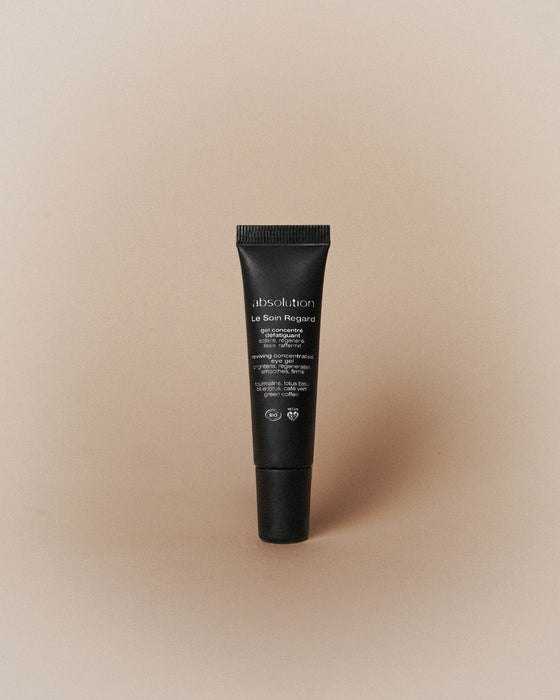
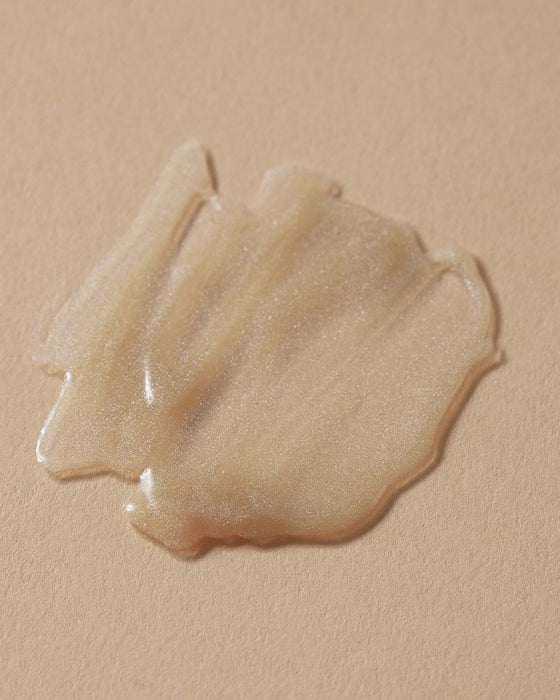
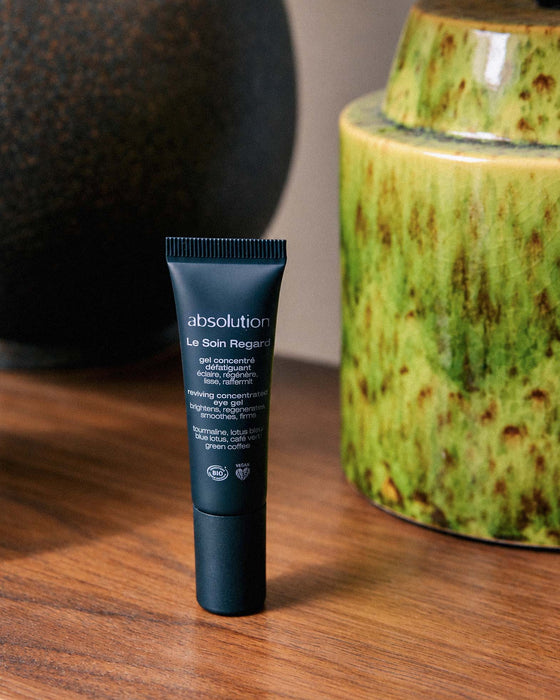
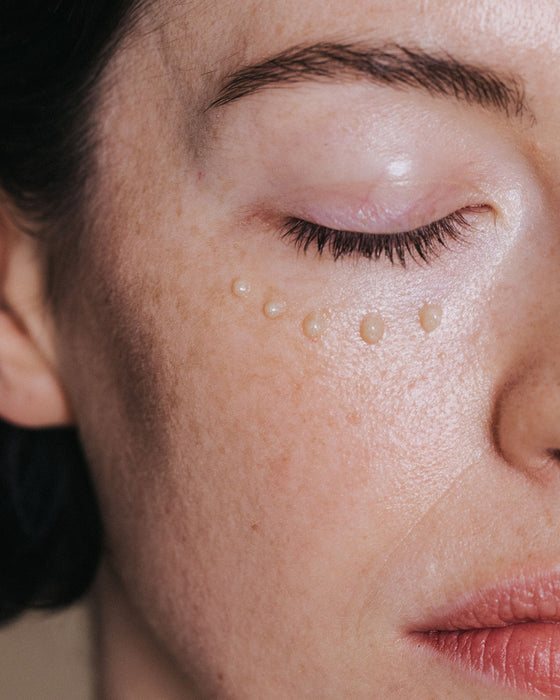
Anti-puffiness, anti-dark circle eye gel


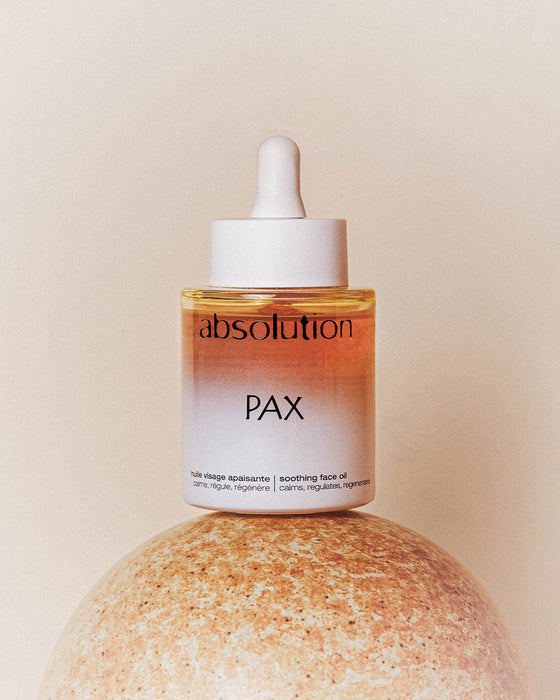
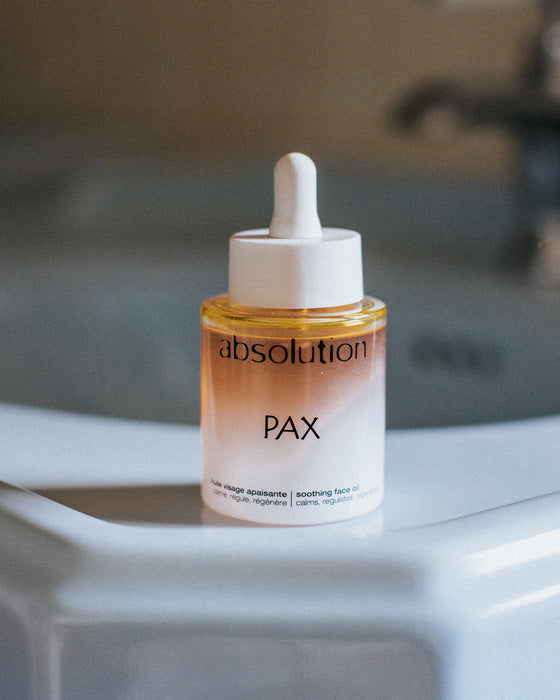
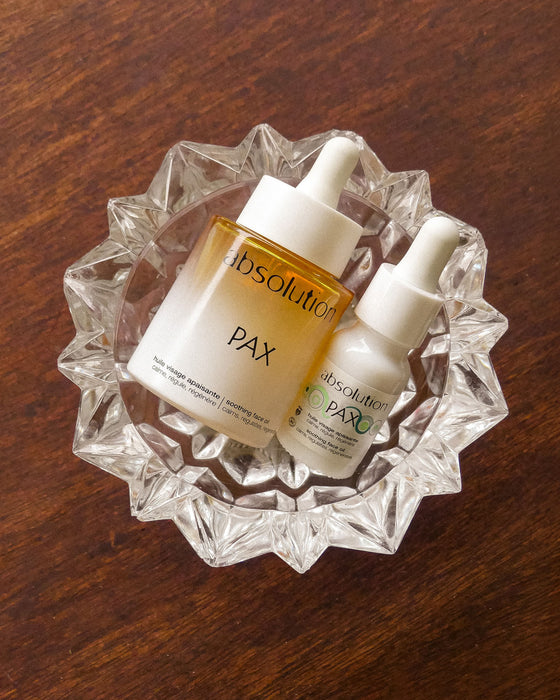
Soothing and balancing face oil
Your evening ritual


Anti-puffiness, anti-dark circle eye gel


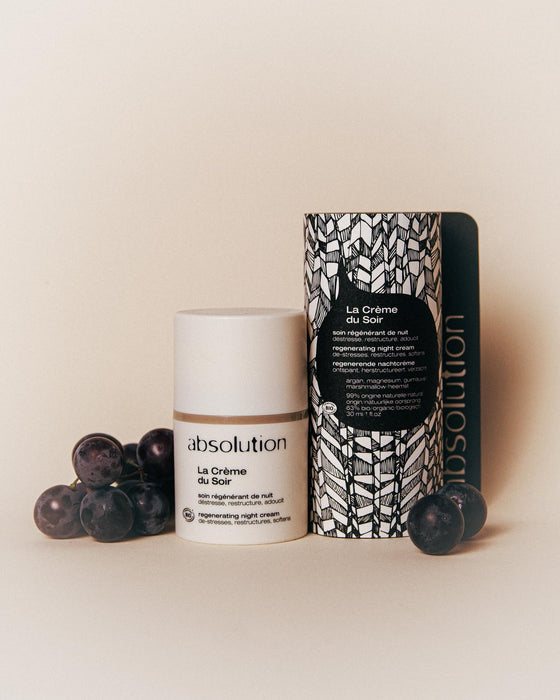
Smoothing night cream


Soothing and balancing face oil
One of the most widely used medicinal plants, Aloe Vera is used to treat burns, including sunburn, to heal wounds and to combat cellular aging. Its composition is very interesting: like a cactus, it contains over 99% water. The remaining 1% is a very potent synergy of 12 vitamins (A, B1, B2, B3, B12, C, E...) but also numerous minerals, trace elements and amino acids.
This plant has been used in traditional medicine for over 2,000 years, to improve the healing process. This ability is directly linked to its two main constituents: saponosides (madecassoside, asiaticoside) and triterpenes (asiatic acid, madecassic acid). These molecules are involved in the production of collagen and fibroblasts – cells that play an important role in tissue regeneration.
Moisturizes and helps to maintain the elasticity of the skin.
In its three forms (high, medium and low molecular weight), it hydrates, smoothes and maintains the proper functioning of cellular cohesion.
This magnificent flower helps to strengthen the skin's defense system. Rich in polysaccharides and historically used by the Sioux Indians, its skin-healing benefits are the result of its anti-inflammatory, antiseptic and anti-bruising properties.
According to legend, the concubine Yang Guifei owed her beauty to this Chinese mushroom. Boasting exceptional hydrating properties, it replenishes moisture and helps to restore the skin's barrier function. It significantly reduces cellular oxidation, thus fighting the skin-aging process. Snow Mushroom is said to be 10 times more powerful than hyaluronic acid.
Sleep
You sleep at least 7 hours per night — your sleep habits are excellent! Several studies have shown that restorative sleep directly supports skin regeneration: research published in Clinical and Experimental Dermatology (2015) revealed that sleep deprivation impairs the skin’s barrier function and slows down its ability to heal. At night, your cells regenerate, oxygenate, and repair the micro-aggressions accumulated throughout the day.
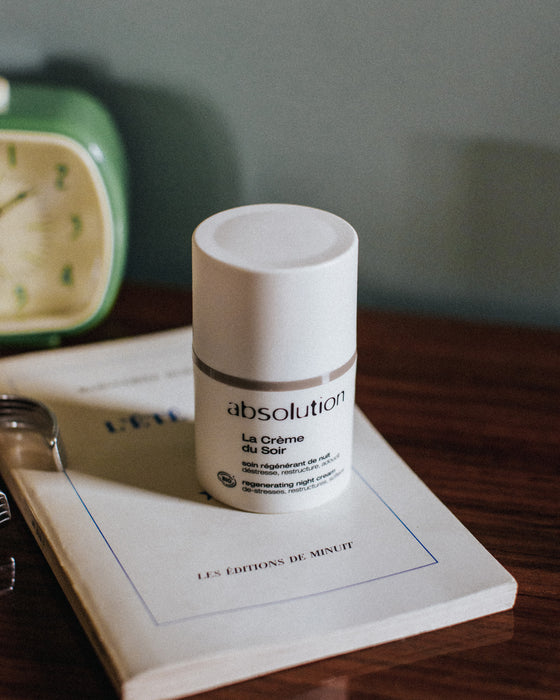
Give them the best conditions by gently removing your makeup, cleansing with a suitable product, and applying a nourishing night cream. And if a short night slips into your week (it happens to everyone), think of Acerola — a tiny fruit containing 20 to 30 times more vitamin C than an orange — and make sure to stay well hydrated throughout the day to support your skin’s natural glow.
French gastronomy has you covered
Eating is an art, but certain excesses can weaken the skin. Dairy products and red meats, due to their pro-inflammatory effects, are associated with an increased risk of acne and skin imbalances (Clinical Nutrition, 2020). The idea isn’t to give them up, but to adapt: milk, yogurt, or cream can easily be replaced with plant-based alternatives (almond, hazelnut, coconut, soy, rice…), which are often gentler on digestion and kinder to the skin.
If cheese remains a must, choose hard, aged cheeses made from raw milk, which are richer in nutrients and often better tolerated. As for proteins, limit red meat to once or twice a week and explore the variety of eggs, white fish, poultry, legumes, or tofu. A diverse approach nourishes the body without weighing down the skin.

Your cart is empty.
Add items
Rewards on all orders
€10 for you and them
Skin diagnosis
Treat yourself to well-deserved "me-time"
Join the list!
Subscribe to our newsletter and enjoy 15% off your next order.
©2026 Absolution