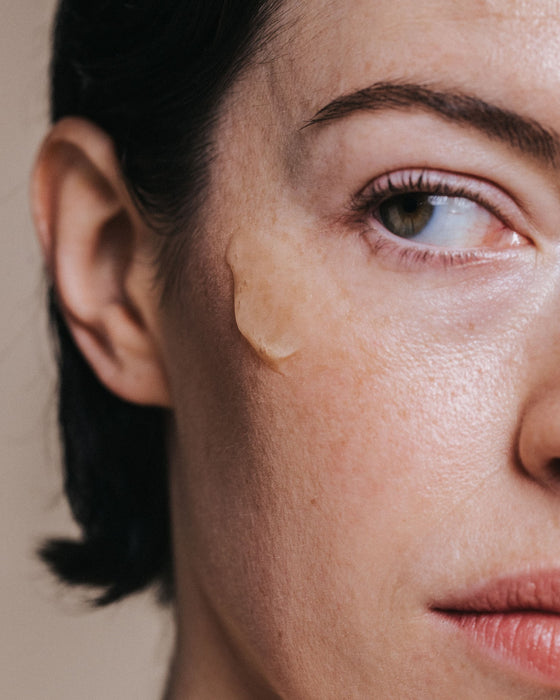
Vous avez une peau mixte à grasse avec quelques imperfections
A propos de votre peau
Brillances
Le sébum est la protection naturelle de la peau. Il permet de la garder souple et de limiter l’évaporation de l’eau. Quand la peau en manque, elle devient sèche et inconfortable mais quand au contraire elle en produit trop, on parle d’hyperséborrhée. Cette production supérieure à la « normale » crée un terrain favorable au développement des imperfections, c’est pourquoi on associe souvent ces deux problématiques.
Pour en prendre soin, l’idéal est d’effectuer un double nettoyage le soir. Le matin, ne
nettoyez pas votre peau ! Une brume ou une eau thermale suffisent à la réveiller et retirer les impuretés de la nuit sans agresser le film hydrolipidique (ce qui encouragerait la production de sébum). Vous pouvez ensuite appliquer vos soins comme à votre habitude.
Imperfections
Comédons, papules (boutons blancs), microkystes... ces imperfections sont
principalement liées à un excès de sébum qui favorise la prolifération de bactéries.
L’acné, en revanche, est souvent liée à un dérèglement hormonal ; auquel cas elle sera localisée sur la mâchoire et le menton. Elle peut également traduire une intolérance alimentaire ou des problèmes de santé.
En médecine chinoise, la localisation de ces imperfections est directement liée à un organe et peut signifier que celui-ci a choisi la peau comme dernier recours pour exprimer son déséquilibre : c’est ce qu’on appelle le face mapping.

Your morning ritual


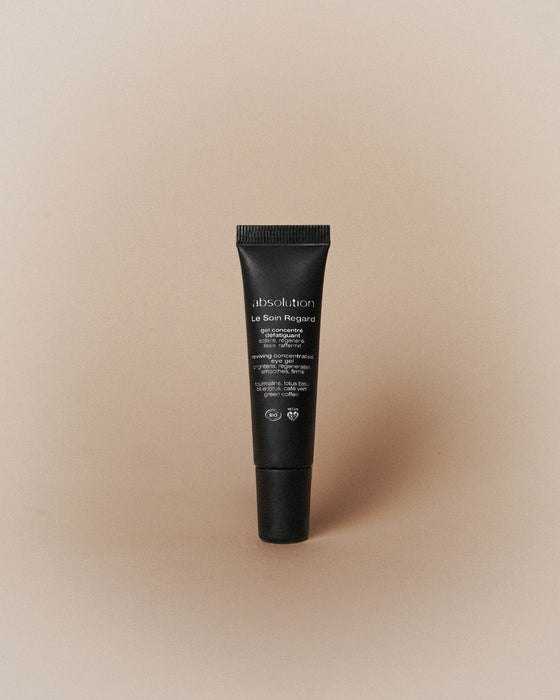
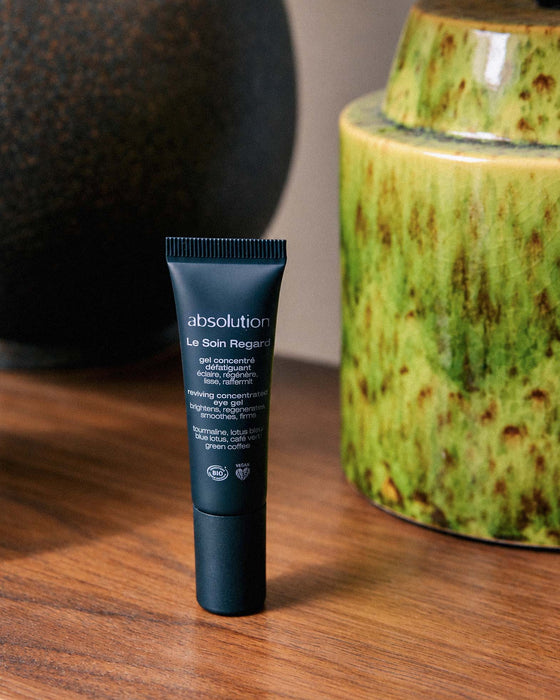
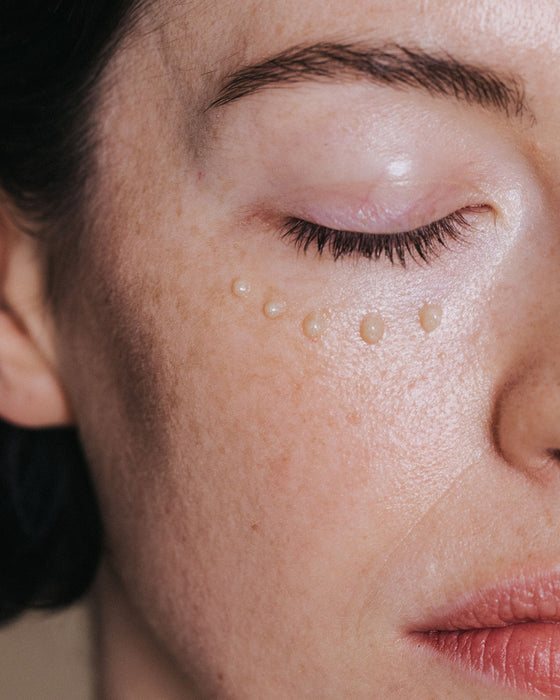
Anti-puffiness, anti-dark circle eye gel


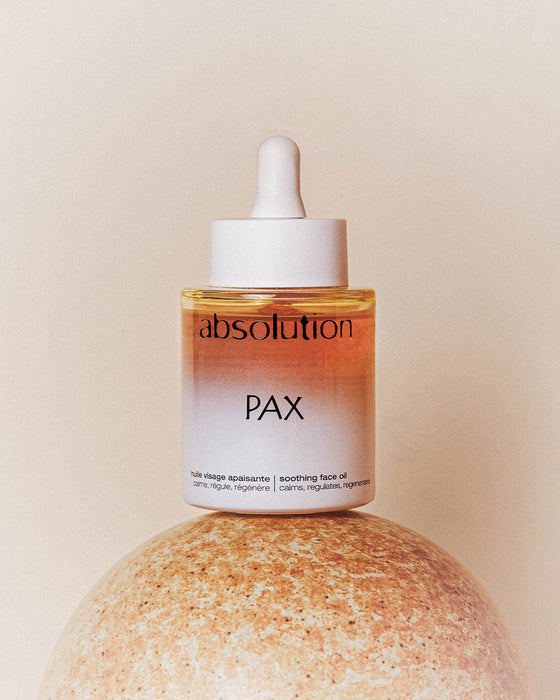
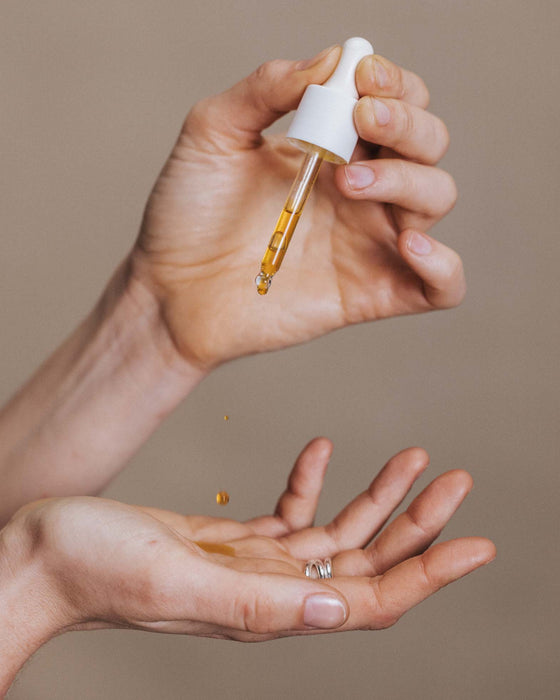
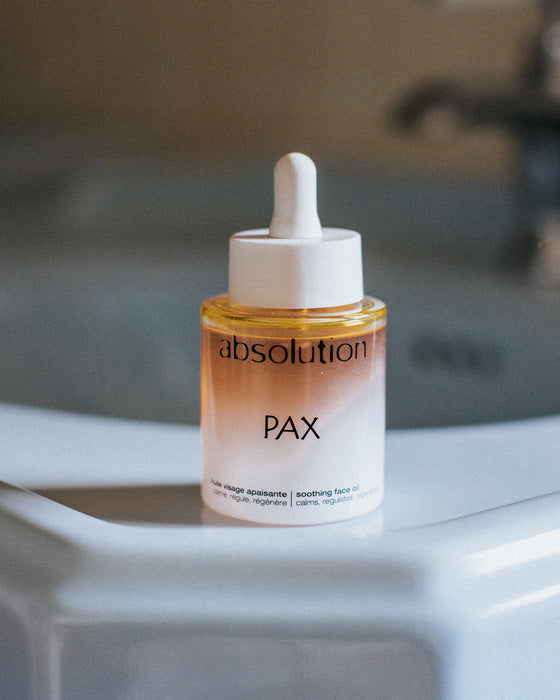
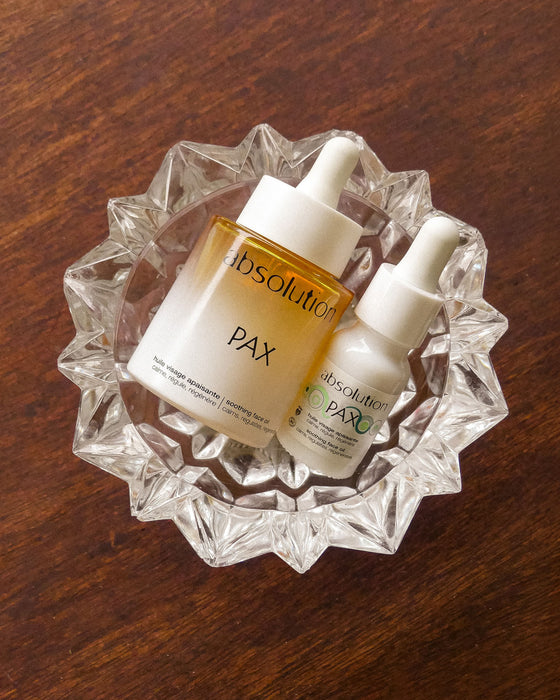
Soothing and balancing face oil
Your evening ritual


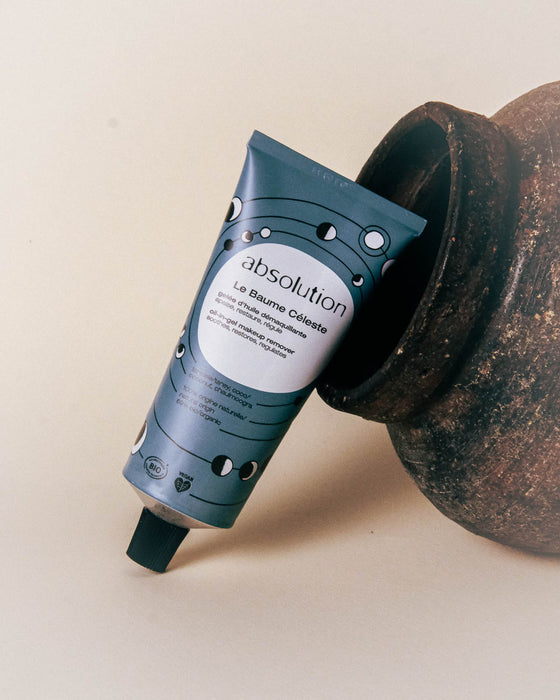
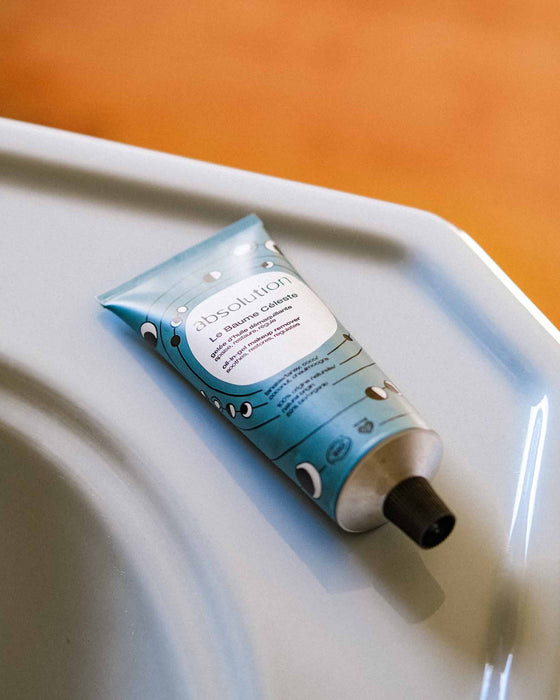
Soothing makeup remover balm


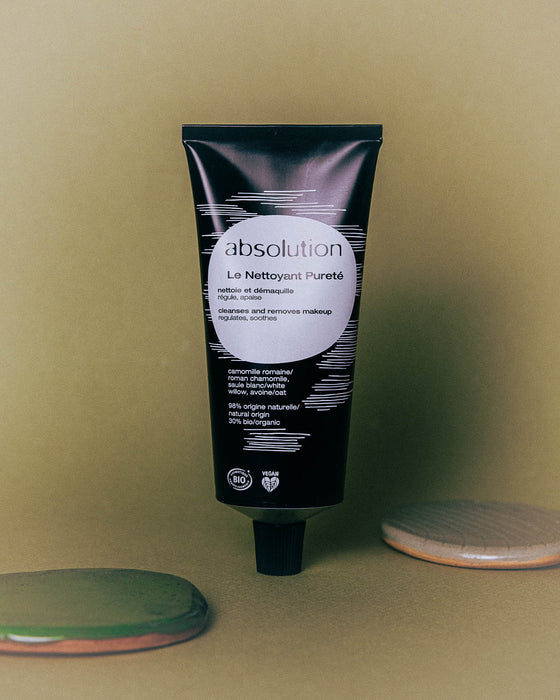
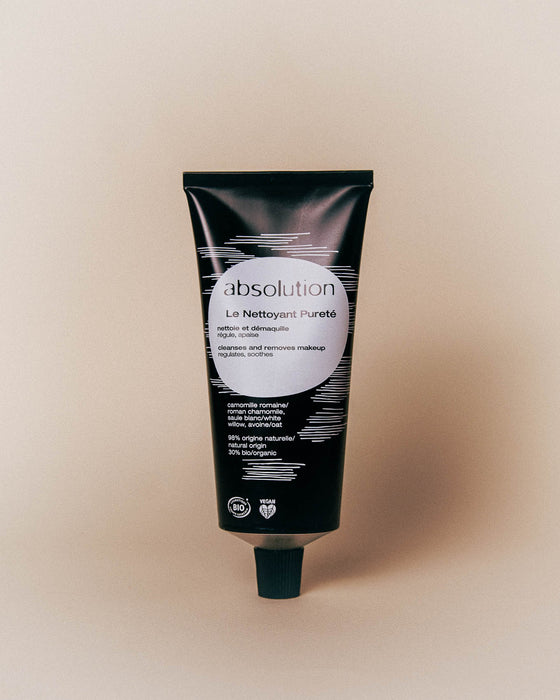
Gentle purifying facial cleanser
Add to cart


Anti-puffiness, anti-dark circle eye gel


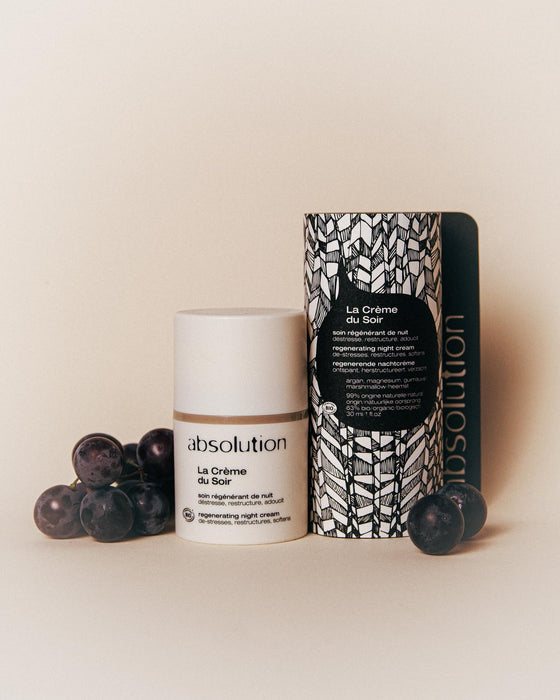
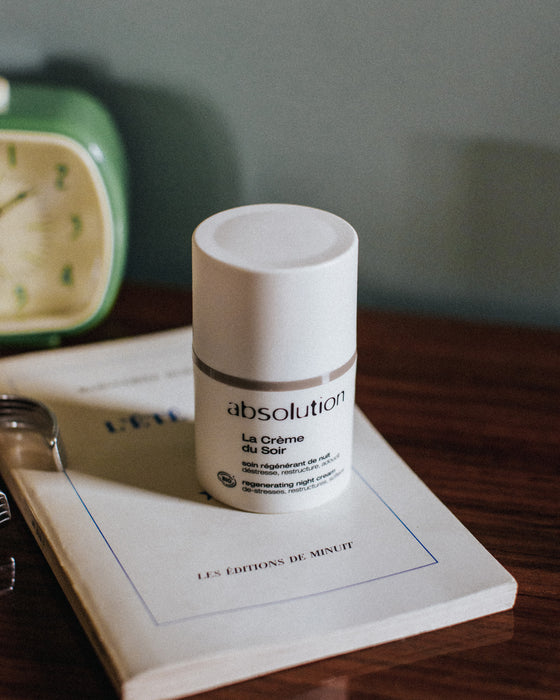
Smoothing night cream
Ingredients you can trust
This plant resin, collected by bees, is known to be a potent purifying ingredient. It also stimulates skin regeneration.
One of the most widely used medicinal plants, Aloe Vera is used to treat burns, including sunburn, to heal wounds and to combat cellular aging. Its composition is very interesting: like a cactus, it contains over 99% water. The remaining 1% is a very potent synergy of 12 vitamins (A, B1, B2, B3, B12, C, E...) but also numerous minerals, trace elements and amino acids.
Commonly used in Asian medicine, it contains rare fatty acids that are known to soothe irritated and damaged skin. It also helps to even out skin tone, which makes it very useful when spots have left their mark…
Our tips for better sleep
Sleep
You sleep at least 7 hours per night — your sleep habits are excellent! Several studies have shown that restorative sleep directly supports skin regeneration: research published in Clinical and Experimental Dermatology (2015) revealed that sleep deprivation impairs the skin’s barrier function and slows down its ability to heal. At night, your cells regenerate, oxygenate, and repair the micro-aggressions accumulated throughout the day.
Give them the best conditions by gently removing your makeup, cleansing with a suitable product, and applying a nourishing night cream. And if a short night slips into your week (it happens to everyone), think of Acerola — a tiny fruit containing 20 to 30 times more vitamin C than an orange — and make sure to stay well hydrated throughout the day to support your skin’s natural glow.
Nutrition
You eat healthily and cook a lot.
Your habits are ideal: a diet rich in colorful plant foods, good fats (avocado, nuts, olive oil), and high-quality proteins is one of the best allies for balanced skin. Every color on your plate brings its own set of antioxidants: carotenoids from carrots and sweet potatoes enhance radiance, while polyphenols from berries help protect against oxidative stress.
A study published in Nutrients (2021) confirms that plant diversity in the diet is directly correlated with better skin health.
Keep exploring variety, but make sure pleasure remains a key ingredient: cooking and enjoying your meals mindfully nourishes your skin with serenity as much as with nutrients.