Sleep
You sleep at least 7 hours per night — your sleep habits are excellent! Several studies have shown that restorative sleep directly supports skin regeneration: research published in Clinical and Experimental Dermatology (2015) revealed that sleep deprivation impairs the skin’s barrier function and slows down its ability to heal. At night, your cells regenerate, oxygenate, and repair the micro-aggressions accumulated throughout the day.
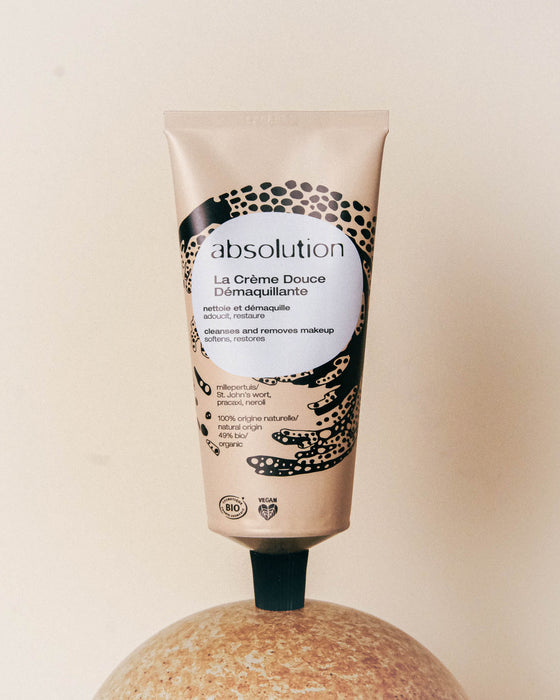
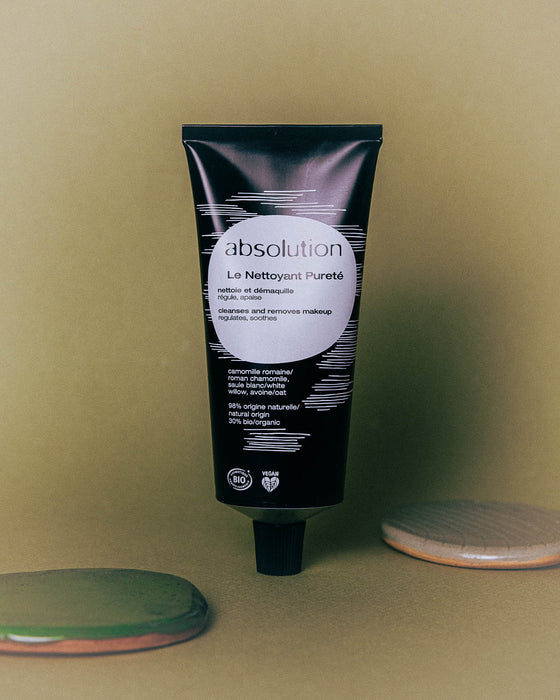
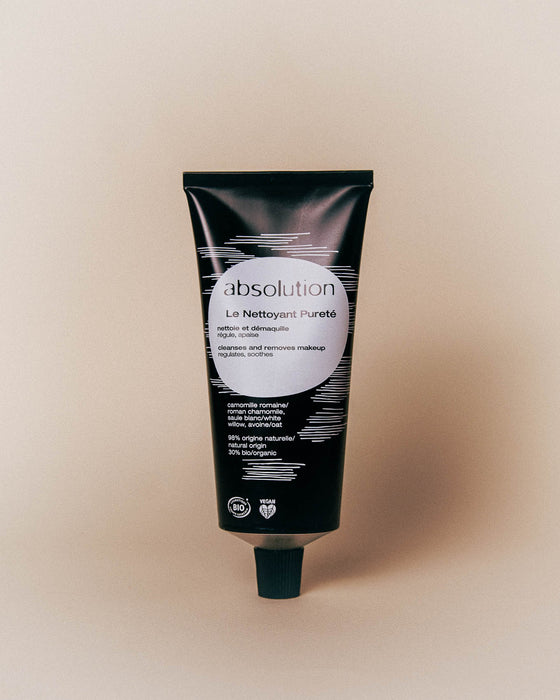
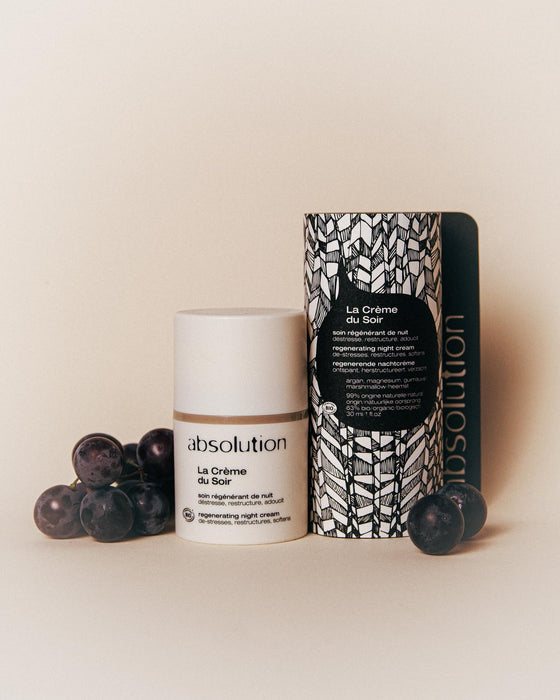
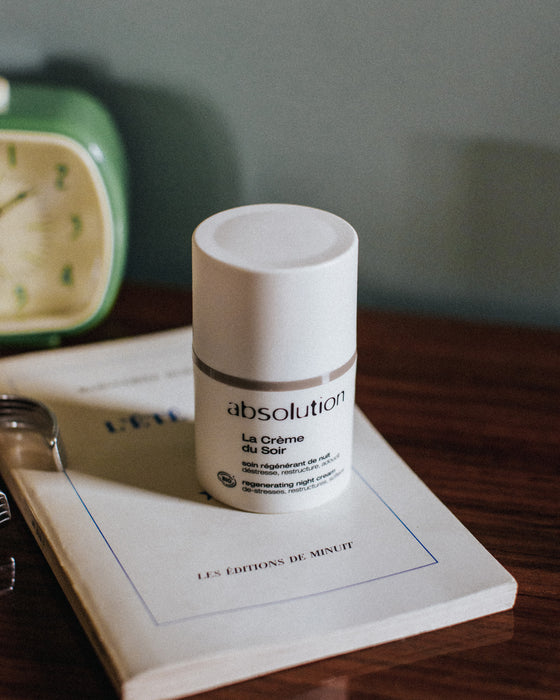
Give them the best conditions by gently removing your makeup, cleansing with a suitable product, and applying a nourishing night cream. And if a short night slips into your week (it happens to everyone), think of Acerola — a tiny fruit containing 20 to 30 times more vitamin C than an orange — and make sure to stay well hydrated throughout the day to support your skin’s natural glow.
French gastronomy has you covered
Eating is an art, but certain excesses can weaken the skin. Dairy products and red meats, due to their pro-inflammatory effects, are associated with an increased risk of acne and skin imbalances (Clinical Nutrition, 2020). The idea isn’t to give them up, but to adapt: milk, yogurt, or cream can easily be replaced with plant-based alternatives (almond, hazelnut, coconut, soy, rice…), which are often gentler on digestion and kinder to the skin.
If cheese remains a must, choose hard, aged cheeses made from raw milk, which are richer in nutrients and often better tolerated. As for proteins, limit red meat to once or twice a week and explore the variety of eggs, white fish, poultry, legumes, or tofu. A diverse approach nourishes the body without weighing down the skin.