Skin Mood

Votre peau a tendance à être sèche et réactive

A propos de votre peau

Sécheresse

Votre peau tiraille, est inconfortable et rougit à la moindre émotion ? Vous avez une peau dite « sèche ».

À l’œil nu, la peau paraît relativement fine et belle, avec des pores peu visibles (chanceux.se !). Au toucher, elle peut parfois être rugueuse et elle est souvent inconfortable après le nettoyage. Elle présente généralement des petites ridules de déshydratation, principalement au niveau du contour des yeux et des lèvres.

D’un point de vue physiologique, la peau sèche est le résultat d’une couche cornée - la couche la plus superficielle de l’épiderme - trop fine ou qui n’est plus hermétique. Le ciment lipidique (élément qui renforce l’étanchéité et la résistance de la peau) est défaillant et l’eau des cellules s’évapore. Ainsi, peau sèche et peau déshydratée vont bien souvent de pair, même s’il ne faut pas les confondre !

La peau sèche (qu’on appelle aussi « peau alipidique ») ne produit pas assez de sébum, qui assure en temps normal la protection de l’épiderme. Résultat : elle se dessèche, rougit souvent lors d’un changement de climat et peut se desquamer (apparition de dartres).

Réactivité

Sécheresse cutanée, dartres, couperose, érythèmes (rougeurs), sensation de tiraillement voire même de brûlure… Voici quelques signes d’une peau réactive.

Ces sensations peuvent s’accentuer à l’application de certains produits cosmétiques et vite devenir insupportables. Toutes les peaux, sèches, mixtes ou grasses peuvent à un moment être réactives si elles reçoivent des produits qui ne leur sont pas adaptés.

Pour traiter cette humeur de peau, nettoyez en douceur, hydratez, et ne sursollicitez pas votre épiderme déjà fragilisé.

Le Masque Riche Réconfortant - format voyage

Your weekly ritual

A deep treatment

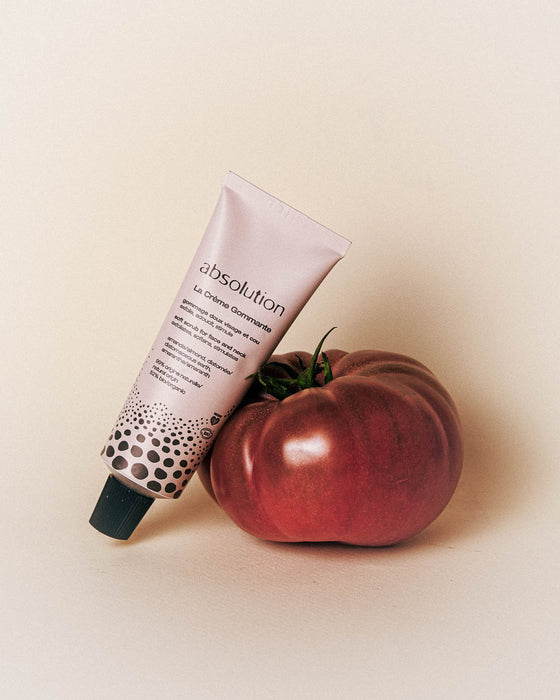
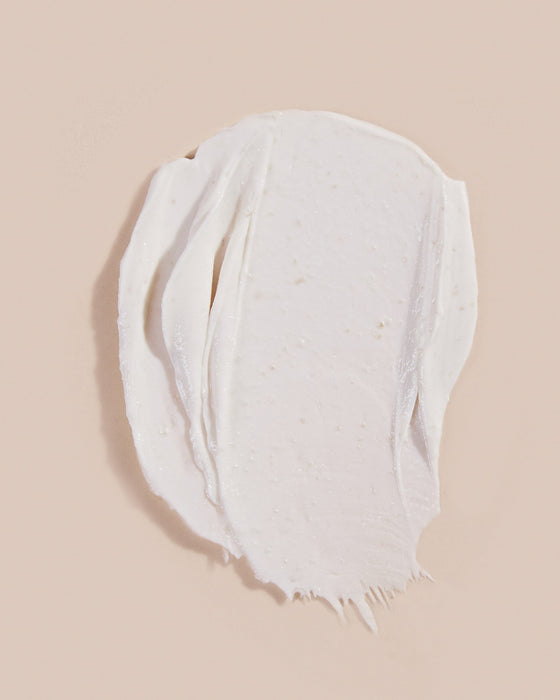
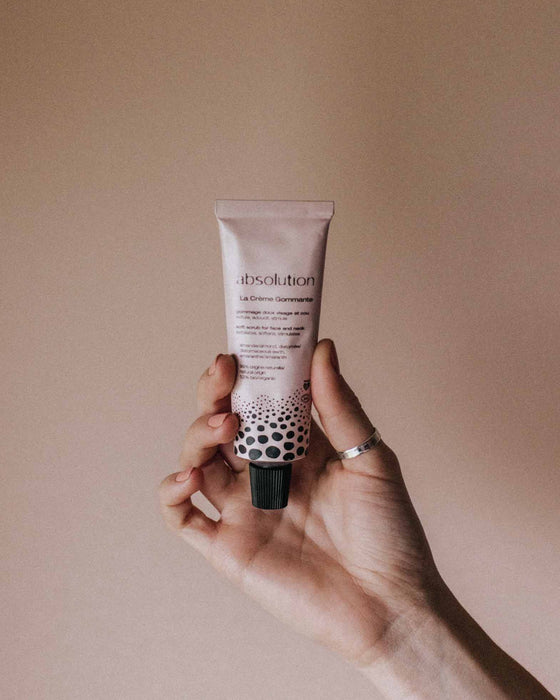
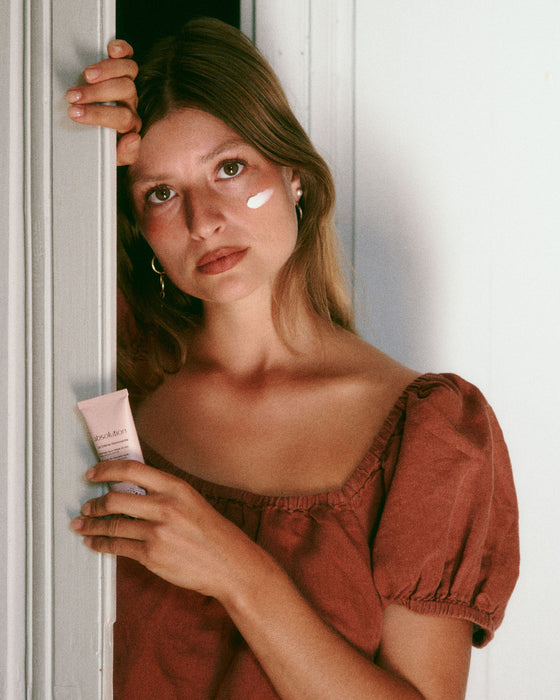
Une à deux fois par mois, appliquez La Crème Gommante sur le visage et le cou propres et légèrement humides. Laissez agir quelques minutes pour que les acides de fruits éliminent les cellules mortes. Massez doucement en effectuant des mouvements circulaires sur les joues, le front, le menton, les arêtes du nez et le cou. Pour les peaux sensibles, un simple temps de pose suffit sans massage. Rincez abondamment à l’eau claire, puis poursuivez avec un masque ou votre routine de soin habituelle.

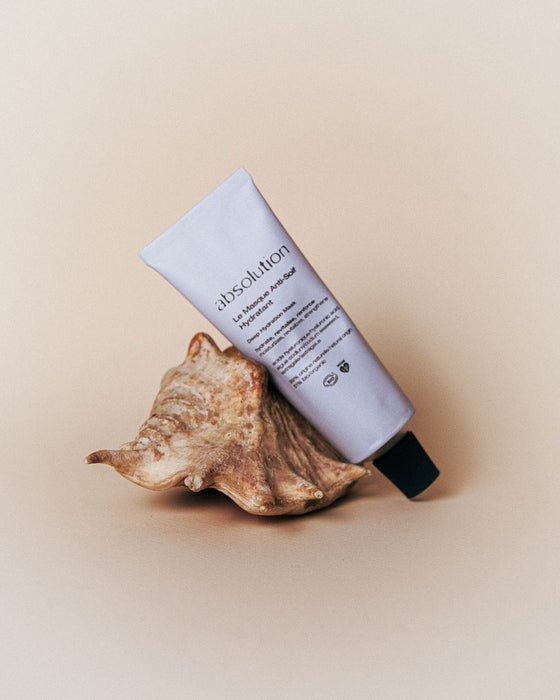
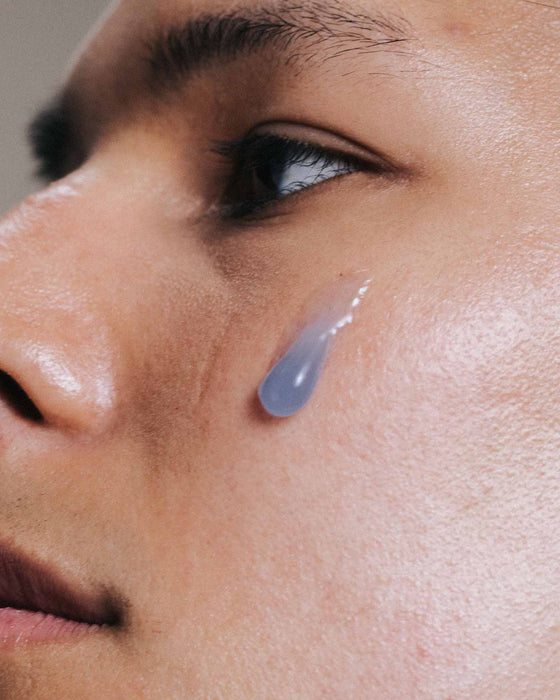
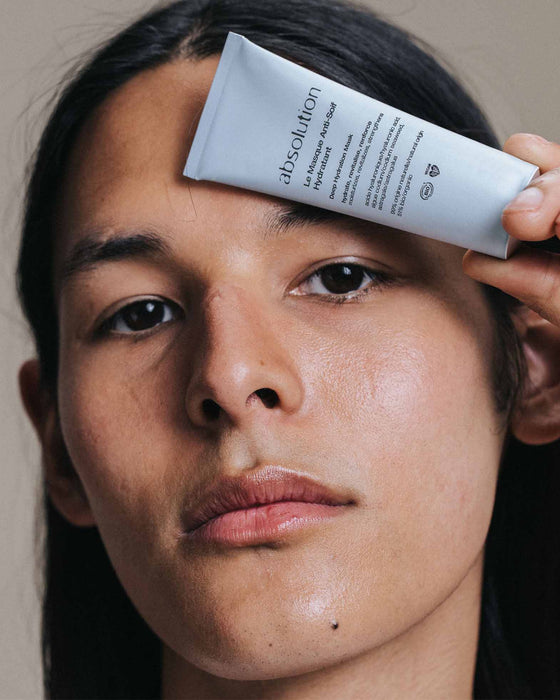
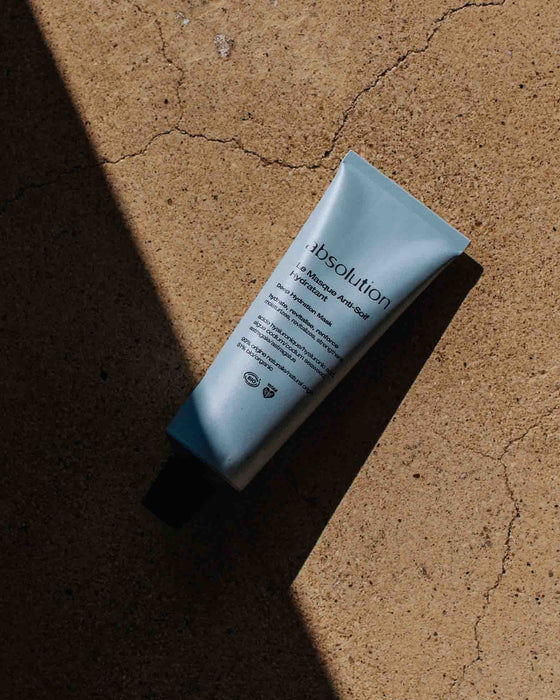
Once or twice a week, apply Le Masque Anti-Soif Hydratant to clean skin for 15 minutes. It can be used on the entire face (avoiding the eye area) or as part of a multi-masking routine, combined with another mask—for example, a purifying one on the T-zone or a nourishing one around the eyes and lips.

Exfoliates
La Crème Gommante
La Crème Gommante
La Crème Gommante
La Crème Gommante

La Crème Gommante

Gentle face and neck scrub

Regular price 35,00€
Sale price 35,00€ Regular price 0,00€
Unit price  per 
Moisturizes
Le Masque Anti-Soif Hydratant

Le Masque Anti-Soif Hydratant

Intense hydration face mask

Regular price 38,00€
Sale price 38,00€ Regular price 0,00€
Unit price  per 

Ingredients you can trust

One of the most widely used medicinal plants, Aloe Vera is used to treat burns, including sunburn, to heal wounds and to combat cellular aging. Its composition is very interesting: like a cactus, it contains over 99% water. The remaining 1% is a very potent synergy of 12 vitamins (A, B1, B2, B3, B12, C, E...) but also numerous minerals, trace elements and amino acids.

View more

This plant has been used in traditional medicine for over 2,000 years, to improve the healing process. This ability is directly linked to its two main constituents: saponosides (madecassoside, asiaticoside) and triterpenes (asiatic acid, madecassic acid). These molecules are involved in the production of collagen and fibroblasts – cells that play an important role in tissue regeneration.

View more

Moisturizes and helps to maintain the elasticity of the skin.

In its three forms (high, medium and low molecular weight), it hydrates, smoothes and maintains the proper functioning of cellular cohesion. 

View more

This magnificent flower helps to strengthen the skin's defense system. Rich in polysaccharides and historically used by the Sioux Indians, its skin-healing benefits are the result of its anti-inflammatory, antiseptic and anti-bruising properties.

View more

According to legend, the concubine Yang Guifei owed her beauty to this Chinese mushroom. Boasting exceptional hydrating properties, it replenishes moisture and helps to restore the skin's barrier function. It significantly reduces cellular oxidation, thus fighting the skin-aging process. Snow Mushroom is said to be 10 times more powerful than hyaluronic acid.

View more

Our tips for better sleep

Sleep

You sleep between 6 and 7 hours. Slightly shorter nights can sometimes be felt in your overall energy… and in your skin’s radiance. According to a study published in Sleep (2017), even moderate sleep restriction can influence how vitality and facial attractiveness are perceived. To compensate, help your cells take in more oxygen through conscious breathing: inhale for 4 counts, exhale for 8, and repeat five times. This simple exercise reduces oxidative stress and reawakens your inner energy.

And if your schedule allows it, a 10-minute nap after lunch can restore alertness and concentration, while supporting your body’s overall recovery.

Ultra-processed foods often contain hidden sugars, saturated fats, and excessive salt — all factors that promote skin inflammation and accelerate aging. A study published in the Journal of the Academy of Nutrition and Dietetics (2019) showed that a diet high in refined sugars is associated with more pronounced wrinkles and acne.

Of course, there are times when fast food feels unavoidable… In those cases, a small gesture can make a difference: add a salad, a serving of raw vegetables, or a homemade soup to balance your meal. And if you love comfort food, try making your own burger: artisan bread, crunchy vegetables, homemade sauce — your skin (and your taste buds) will thank you.